East Village remediation programme
East Village remediation programme reaches major milestone
One of the UK’s largest and most complex residential remediation programmes has reached an important milestone, bringing thousands of residents a step closer to safer homes.
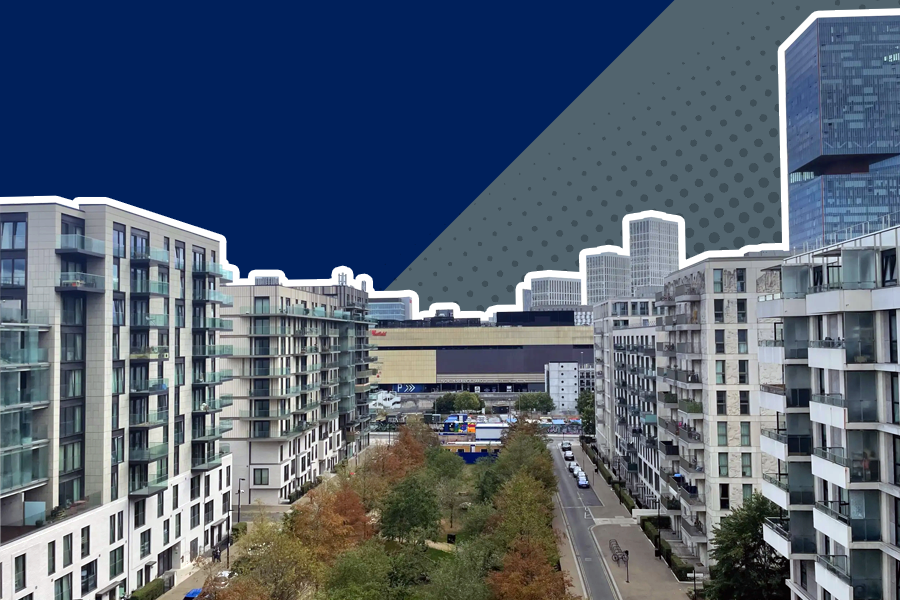
Located in Stratford, East Village was originally built as the Athletes’ Village for the London 2012 Olympic Games. Today, it is a thriving residential community of around 2,800 homes, including social, affordable and private housing.
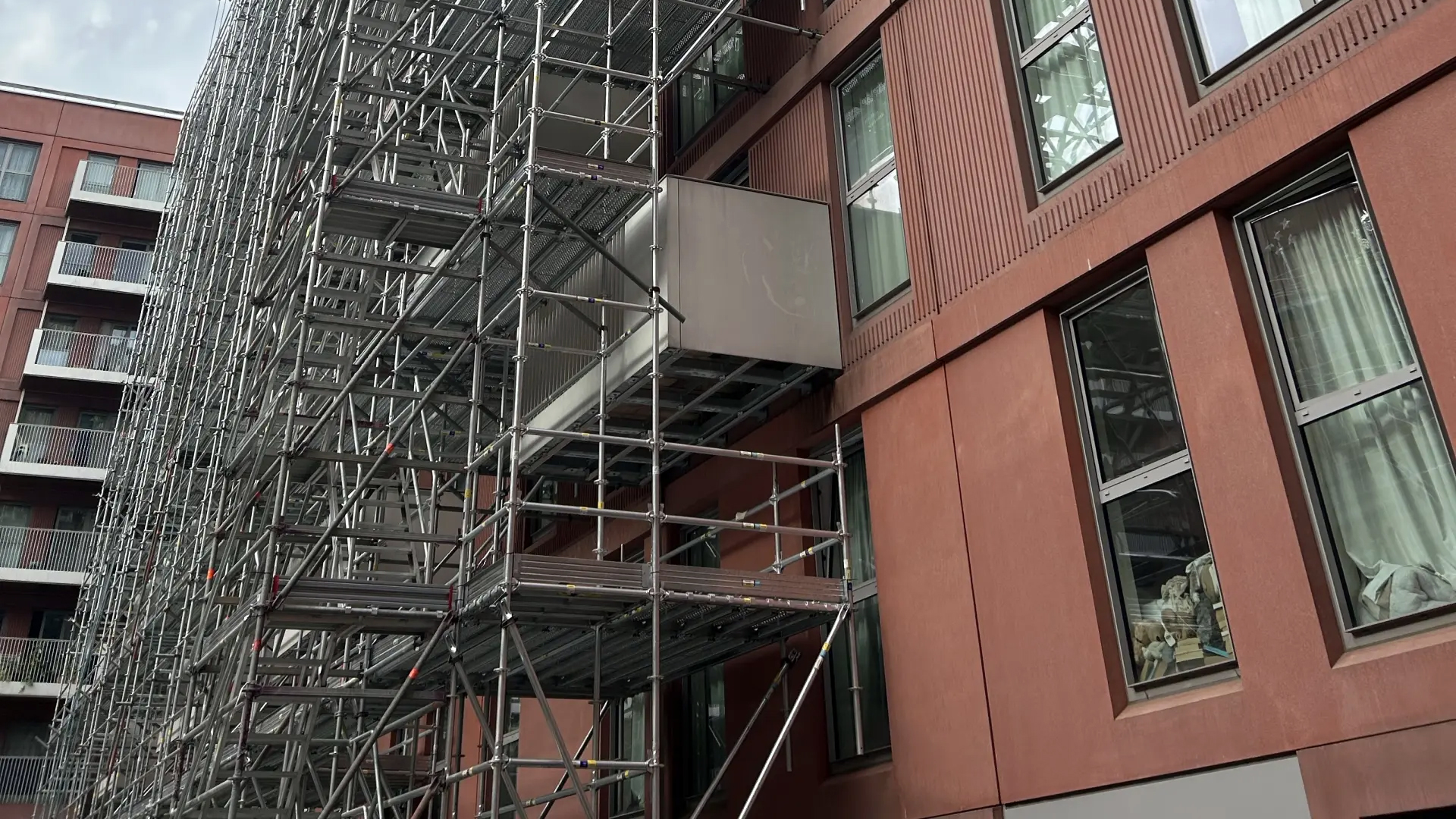
Building Safety Regulator (BSR) colleagues recently visited the development to see first-hand how extensive remediation plans are being translated into on-the-ground progress. The visit followed key regulatory approvals that will enable the next phase of work to move forward.
Delivering improvements for residents
The East Village programme is one of the most significant remediation projects currently underway in the UK. It is addressing issues identified in elements of the original construction while ensuring residents can continue to live safely in their homes throughout the process.
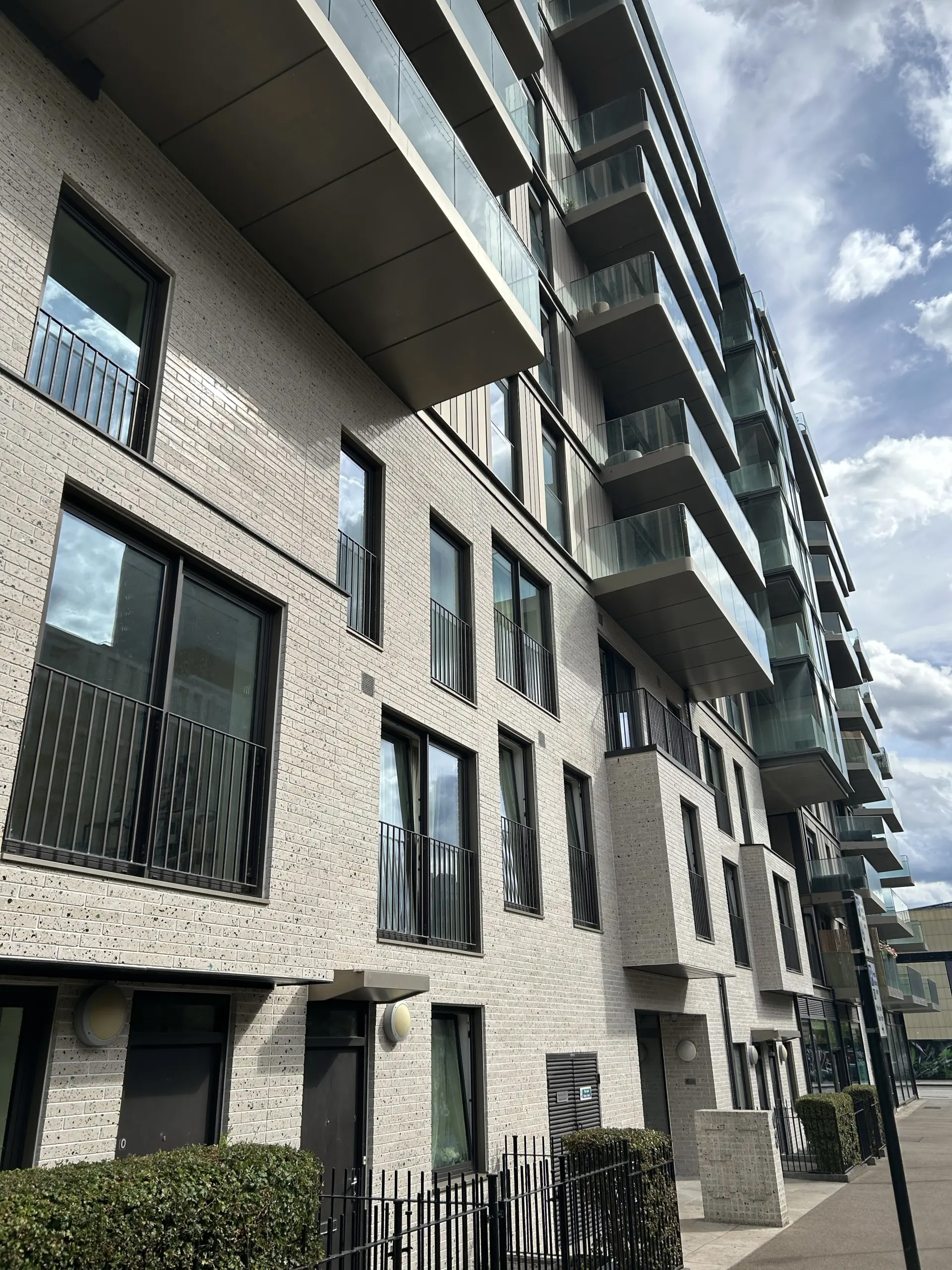
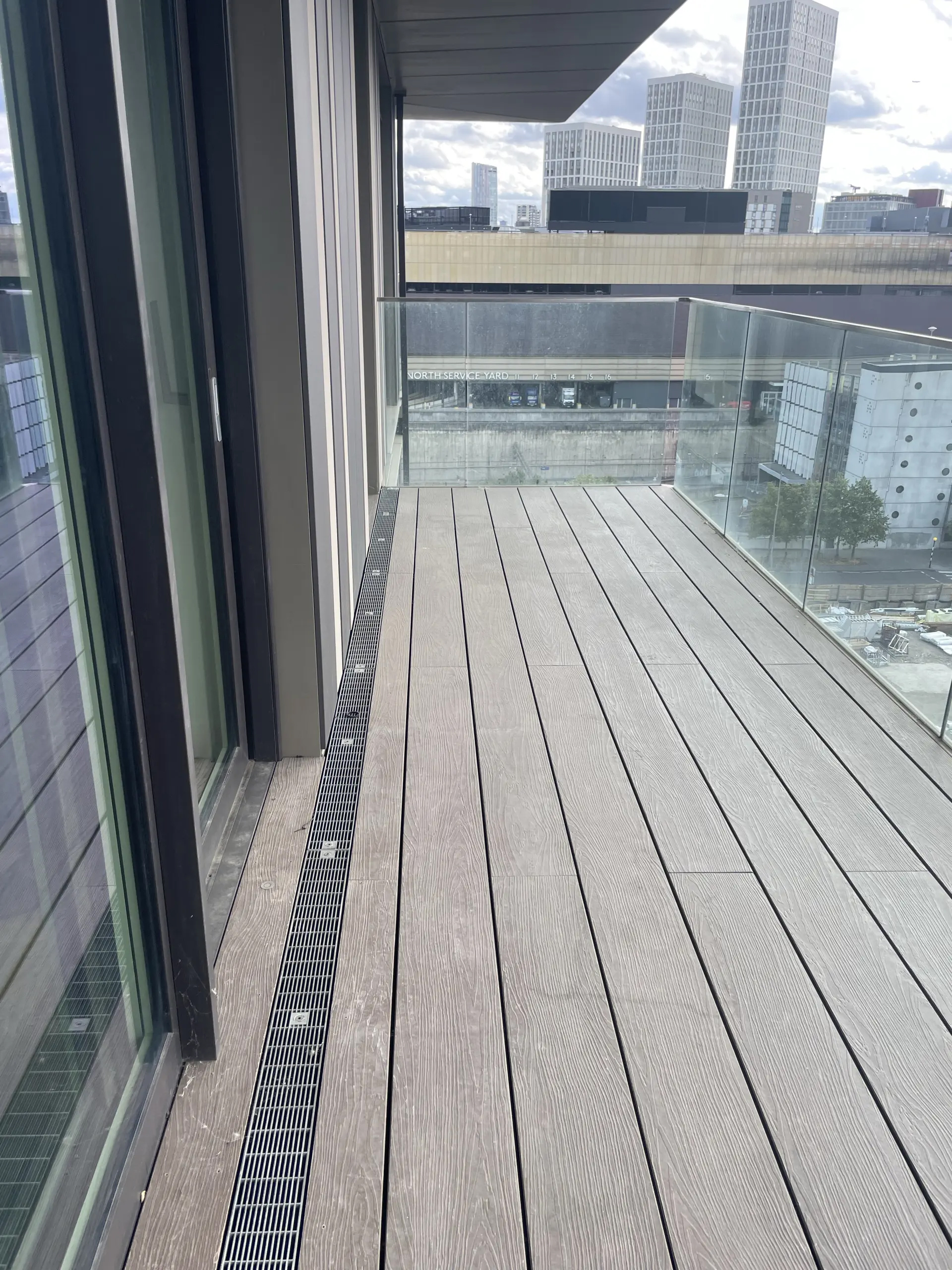
The scale of the programme is considerable, involving both internal and external building improvements across multiple residential blocks. Seeing the site in person highlighted the complexity of carrying out remediation work in a large, occupied neighbourhood where thousands of people live, work and raise families.
Each stage of the programme is focused on improving safety, reducing risk and helping ensure residents can have confidence in their homes.
Working together to support progress
Successfully delivering a project of this scale requires collaboration between a wide range of organisations, technical specialists and public bodies.
Throughout the programme, BSR has worked closely with stakeholders to provide regulatory oversight, support understanding of building safety requirements and help create clarity around the standards expected for remediation work.
This collaborative approach has helped maintain momentum and support progress on a project that presents complex technical and operational challenges.
The programme has also demonstrated the value of constructive engagement between regulators and industry. Effective regulation requires robust challenge where necessary, but it also depends on clear communication, shared understanding and a commitment to achieving the right outcomes for residents.
Building on the Olympic legacy
East Village remains an important part of the legacy of the London 2012 Olympic Games. The remediation programme represents a significant investment in ensuring that this community continues to provide safe, high-quality homes for current and future residents.
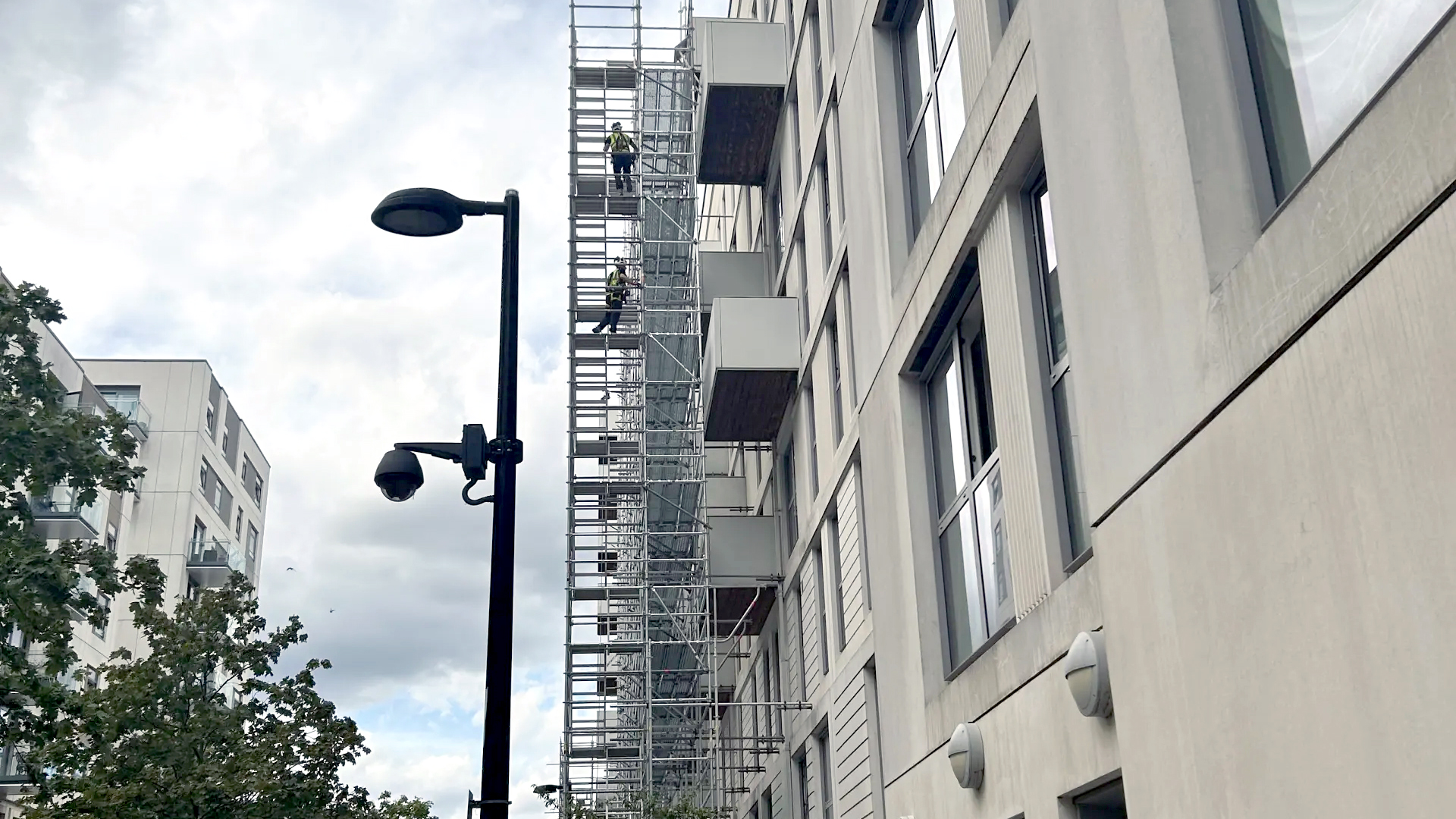
External remediation work is now progressing, with further phases planned to address additional improvements identified across the development. While there is still considerable work ahead, each milestone marks meaningful progress towards the completion of one of the country’s most ambitious building safety programmes.
Looking ahead
As work continues, BSR remains committed to supporting the delivery of safe and proportionate remediation solutions that put residents first.
The progress being made at East Village demonstrates what can be achieved when organisations work together with a shared focus on building safety. For the thousands of people who call the development home, every step forward brings the benefits of improved safety, greater reassurance and increased confidence in the buildings in which they live.
Ultimately, that is what remediation is about: creating safer homes and stronger communities for residents, both now and in the future.